
China's Solar Revolution: From Factory Floor to Global Dominance Friends, c...
2025-11-06 2 solar
Alright, let's dissect this "solar sharer" program the Australian government is rolling out in New South Wales, south-east Queensland, and South Australia. The promise? At least three hours a day of "free" solar power to households, even without rooftop panels, starting July 2026. Sounds good on the surface, especially with the Smart Energy Council calling it "good news" for those struggling with the cost of living. But as anyone who's spent five minutes in the financial markets knows, "free" is usually a marketing term, not a reality.
The program hinges on tweaking the default market offer, which caps electricity prices. The idea is to shift demand from peak evening hours to sunnier periods. The Australian Energy Regulator will be overseeing these changes. Now, here's where the skepticism kicks in. The Australian Energy Council, representing generators and retailers, is already grumbling about a lack of consultation. They're worried about damaged industry confidence and businesses potentially exiting the market. That's always the risk when governments intervene directly. Are we looking at unintended consequences down the line? Probably.
Australia already has over 4 million solar systems installed as of 2024. That's a lot of distributed generation. And some retailers, like AGL and Red Energy, already offer free solar energy periods. So, what's different here? Is the government just repackaging existing offers under a new label, or is there actual value being created? We need to see the details of these changes to the default market offer before we can make any real judgements.
Let's shift gears to a more immediate problem: hail. The storms that hit south-east Queensland in early November 2025, with hail up to 9cm (that's over 3.5 inches, for the metrically challenged), caused significant damage, including to rooftop solar panels. Over 2,500 insurance claims were lodged. This brings up a critical point: the long-term costs associated with solar. According to the Giant hail left SEQ solar panels with gaping holes. Here's what you can do - Australian Broadcasting Corporation, these storms left many solar panels with gaping holes.
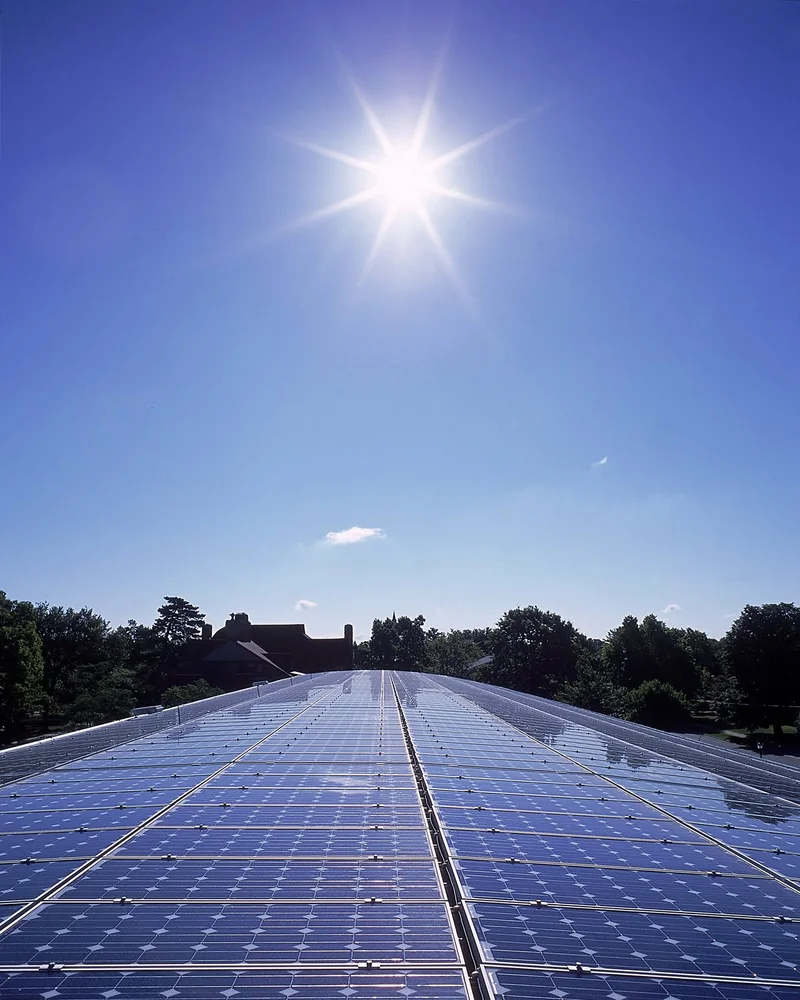
While the "solar sharer" program focuses on daily operational costs, what about the capital expenditure and maintenance? Home insurance should cover hail damage, according to Consumer Group Choice, as solar panels are considered part of the house. RACQ Insurance also covers hailstorms under their home insurance policies. But what about the deductible? What about the hassle of filing a claim and waiting for repairs? These are real costs that aren't factored into the "free" equation.
And let's not forget the safety aspect. Damaged solar panels can be dangerous due to exposed electrical wiring. Experts recommend turning off the inverter and PV array DC isolator (usually detailed on the inverter or switchboard) and calling a professional. Annual inspections are also recommended. More costs, more hassle. It all adds up.
I've looked at enough of these government programs to know that they always sound better on paper. The reality is usually far more complex, with hidden costs and unintended consequences.
The "solar sharer" program is a classic example of government intervention in the energy market. While the intention—to lower electricity costs for households—is laudable, the execution remains to be seen. The lack of consultation with industry players is a red flag, and the potential for unintended consequences is high. The focus on "free" power ignores the real costs associated with solar, including capital expenditure, maintenance, and insurance. Until we see the details of the changes to the default market offer, it's hard to shake the feeling that this is more about optics than actual savings.
Tags: solar
Related Articles
China's Solar Revolution: From Factory Floor to Global Dominance Friends, c...
2025-11-06 2 solar