
Alright, let's dissect this "solar sharer" program the Australian governmen...
2025-11-04 3 solar
Friends, colleagues, fellow dreamers! Let's talk about the future, a future powered by the sun, and built—believe it or not—in a surprisingly dim factory in Chengdu, China. I know, the irony isn't lost on me either. A place dedicated to harnessing light, shrouded in shadow. But what's happening inside those walls is anything but dark; it's a revolution.
Imagine, if you will, a factory floor humming with the precision of a thousand robotic arms. Not armies of workers toiling away, but tireless machines coaxing energy from silicon. We're talking about solar cells, the building blocks of a clean energy future, being churned out at a scale that frankly, boggles the mind. These aren't your grandpa's solar panels, either. We're talking about wafers heated, lasered, acid-bathed, and engraved with silver circuits, all with the kind of ruthless efficiency that only automation can provide. It's like watching the Industrial Revolution get a solar-powered upgrade! This uses a polysilicon material, in simpler terms, it means many crystals of silicon joined together to make a stronger and more efficient material.
The sheer scale of China's solar manufacturing capacity is, frankly, hard to grasp. It's not just about one factory in Chengdu; it's about an entire ecosystem, a relentless drive to dominate the global solar market. Some might see this as a threat, a sign of economic competition. But I see something else entirely: an opportunity. An opportunity for collaboration, for innovation, and for accelerating the transition to a sustainable future. As one report notes, Solar in China has become too big to fail.
Think about the printing press. When Gutenberg unleashed his invention on the world, it wasn't just about making books cheaper; it was about democratizing knowledge, empowering individuals, and ushering in a new era of enlightenment. I think the same is true for solar energy. By making solar power more accessible and affordable, we can empower communities, create jobs, and build a more equitable world for everyone.
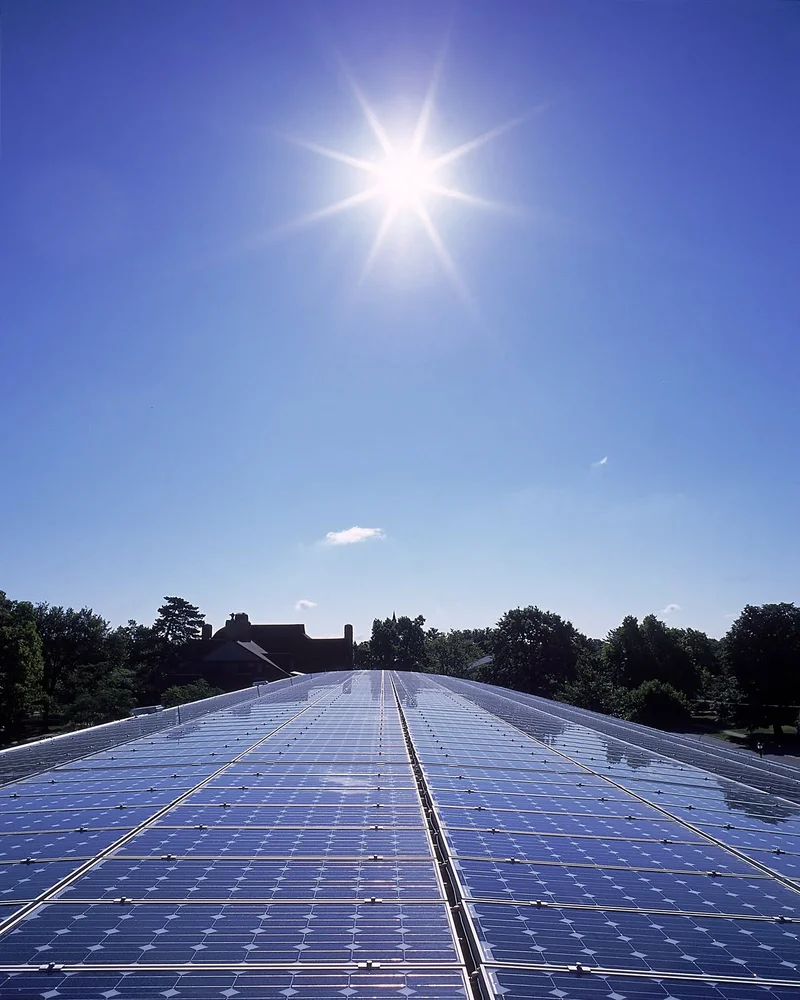
But, and this is a big but, we must also be mindful of the ethical implications. As we race towards a solar-powered future, we need to ensure that the benefits are shared by all, and that the environmental and social costs are minimized. We need to think about responsible sourcing of materials, fair labor practices, and the long-term sustainability of the industry.
And I have seen the comments online about "the environmental impact" of the process. That solar panels themselves are not that "green". I say to you that every technology has a cost, but the cost of not innovating is far greater.
What does this all mean for us? Well, for starters, it means cheaper, more accessible solar power. It means a cleaner environment, a more resilient energy system, and a brighter future for our children. But more importantly, what could it mean for you? Imagine powering your home with clean, renewable energy, reducing your carbon footprint, and saving money on your electricity bill. Imagine driving an electric car charged by the sun, breathing cleaner air, and contributing to a healthier planet. Imagine a world where energy is abundant, affordable, and accessible to everyone. This is the kind of breakthrough that reminds me why I got into this field in the first place.
This isn't just about China's dominance in the solar market; it's about the potential for a global transformation. It's about harnessing the power of the sun to create a more sustainable, equitable, and prosperous future for all. It's time to embrace the solar revolution, to invest in clean energy, and to build a world powered by the sun!
Tags: solar
Related Articles
Alright, let's dissect this "solar sharer" program the Australian governmen...
2025-11-04 3 solar